

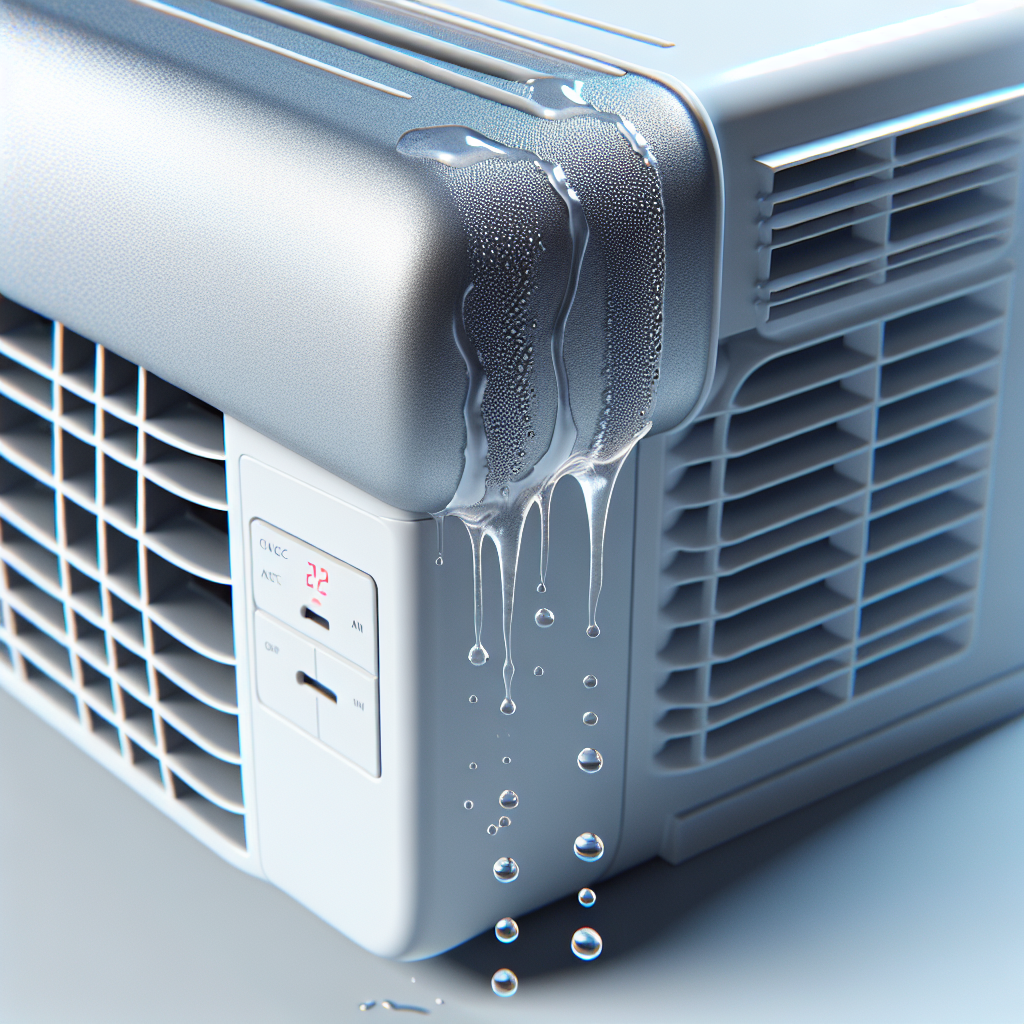
 If you’ve ever set your thermostat just right but still felt uncomfortable in your home, the culprit may be lurking in your air conditioning system. One of the most common problems homeowners face is a leak in their air conditioning system. Not only can these leaks affect your comfort, but they can also lead to high energy bills and potentially costly repairs. Understanding how to identify these leaks is essential for maintaining the efficiency and longevity of your HVAC system. Here are some strategies to help you pinpoint potential issues.
Understanding Air Conditioning Leaks
leaks in your air conditioning system can manifest as refrigerant leaks, ductwork leaks, or drainage issues. Each type requires a different approach to identify and remediate. The most insidious leaks are often hidden from plain sight and can significantly impact your system’s performance. Knowing the types of leaks you might encounter is vital before diving into detection methods.
Refrigerant Leaks
Refrigerant is the lifeblood of your air conditioning system. Without sufficient refrigerant, your AC unit won’t be able to cool your space effectively. If you notice your AC isn’t blowing cold air or your energy bill has suddenly spiked, it might indicate a refrigerant leak. Signs can manifest as ice buildup on your evaporator coils or a hissing sound coming from the system. These are clear indicators that your AC might need some HVAC repair in St. Johns.
Signs of Ductwork Leaks
Another common area prone to leaks is the ductwork that distributes air throughout your home. Leaks in the ducts can lead to inefficient cooling and higher energy costs. An easy way to spot these leaks is to examine the temperature differences in rooms. If one room feels significantly warmer than others, it could be due to duct leaks that are allowing cool air to escape.
Visual Inspection
Conducting a visual inspection of your ductwork is an excellent starting point. Look for any visible damage, disconnected ducts, or signs of wear and tear. You can also check for dust and debris around the joints where two pieces of ductwork meet. A good seal is crucial, and if you notice any buildup, it may indicate air escaping or other issues that warrant attention.
Drainage Issues
Proper drainage is essential in keeping your air conditioning system running smoothly. Clogs in your AC drainage system can cause water to leak inside your home, potentially causing significant damage. Keep an eye out for water pooling around your indoor unit. This not only indicates a blockage but also presents a ripe opportunity for mold growth, which can pose health risks.
Identifying Clogs
To check for clogs, regularly inspect your condensate drain line, which typically runs from the indoor AC unit to the outside of your home. Clear away any visible debris and consider using a wet/dry vacuum to suck out any buildup. Furthermore, if you’re unsure, contacting a local heating service in Florida can help clear out any tough clogs quickly and effectively.
Testing for Air Leaks
If you suspect you may have leaks but can’t find them, there are some effective testing methods you can use to determine whether air is escaping from your system. One of the most popular methods is the use of smoke or incense sticks. On a windy day or during peak usage times, light an incense stick or hold a smoke pen near the seams of your ducts. If the smoke moves towards the duct instead of away from it, you’ve likely found a leak.
Professional Duct Testing
For a thorough inspection, consider hiring professionals to conduct a duct leak test. They can use specialized equipment like a blower door test, which will effectively pressurize your home to identify leaks. If you’re in need of reliable AC installation in Jacksonville FL, these professionals can also help assess overall system performance and recommend upgrades if necessary.
Preventive Measures
Taking proactive steps can help prevent leaks from occurring and avoid costly repairs down the road. Regular maintenance is crucial. Scheduling routine inspections and servicing for your HVAC system will not only extend its lifespan but also maintain efficiency. Consider changing your air filters regularly and keeping your system clean to avoid unnecessary strain and potential leaks.
Yearly HVAC Service
Investing in an annual HVAC service plan can save you money in the long run. These services often include checking for leaks, cleaning ducts, and verifying that all components are functioning properly. When looking for a heating service in Florida, choose a reputable company that provides comprehensive service options, ensuring your system remains in top shape without unexpected leaks.
Conclusion
Identifying leaks in your air conditioning system is crucial for maintaining comfort and efficiency in your home. Whether you suspect refrigerant leaks or ductwork inefficiencies, being proactive will help keep your AC in excellent condition. Regular monitoring, visual inspections, and professional maintenance can prevent headaches down the line. Don’t wait until a minor issue becomes a major expense—stay vigilant, and keep your home cool and comfortable.