
Maintaining a comfortable temperature in your home is essential, especially during those sweltering summer months in Jacksonville, FL. Air conditioning can be a lifesaver, but it can also lead to panic when things go wrong. Before you dial the number for HVAC repair in St. Johns or contact a heating service in Florida, consider some troubleshooting steps that might resolve minor issues with your AC unit. With a little patience and these handy tips, you might be able to save time and money.
Understanding Your Air Conditioning System
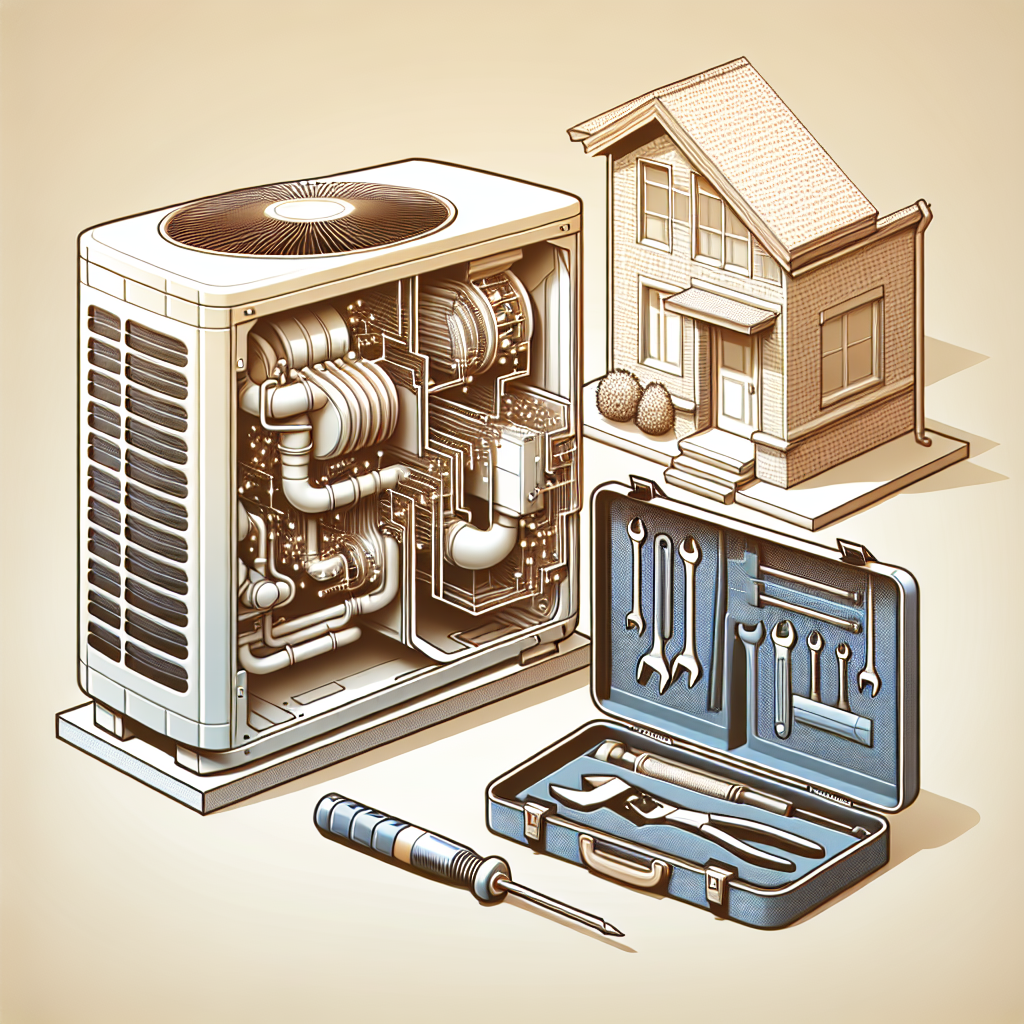
Air conditioning systems have various components working in harmony to keep your space cool and comfortable. Common parts include the compressor, condenser, evaporator, and the ductwork. When a problem arises, it can stem from any one of these components or from how they interact with each other. Basic knowledge of your AC system makes troubleshooting more manageable, so take a moment to familiarize yourself with how each part plays a role.
Common Symptoms of AC Issues
Recognizing signs of an AC malfunction can prevent further damage and costly repairs. Look out for the following symptoms:
Inconsistent Cooling
Feeling hot spots or experiencing uneven cooling in different areas? This could indicate a problem with your ducts, airflow, or even a refrigerant leak. Addressing these issues early can help you avoid more extensive HVAC repair in St. Johns.
Strange Noises
Rattling, buzzing, or hissing noises coming from your AC can signal mechanical problems. It’s essential to address these sounds promptly; they often indicate something amiss within your system.
Higher Energy Bills
If your energy bills have spiked unexpectedly, it might mean your air conditioning unit is working harder than it should. This can be due to several factors, including clogged filters or a malfunctioning compressor, signaling it might be time for some adjustments.
Basic Troubleshooting Steps
Before deciding to call a technician, you can try a few basic troubleshooting steps:
Check the Thermostat
Often, the issue could be as simple as a thermostat mistake. Ensure it’s set to the cooling mode and that the temperature is set lower than the current room temperature. Replace the batteries, if necessary, to ensure it’s operating effectively.
Inspect the Air Filter
A clogged air filter can severely restrict airflow, making your AC work harder. Locate the filter, usually near the return air duct, and check its condition. If it’s dirty, replace it. Clean filters can improve your AC’s efficiency and air quality significantly.
Examine the Outdoor Unit
Debris around your outdoor condenser can lead to cooling issues. Ensure that the area surrounding the unit is clear of foliage, dirt, and any other obstructions. Keep at least two feet of clearance to promote airflow.
Dealing with Water Leaks
AC units can leak water for several reasons, often leading to significant damage if not addressed. Here’s how you can troubleshoot this issue:
Check the Drain Pan
Most air conditioning systems have a drain pan that collects excess condensation. If this pan is full, your unit may leak. Empty the pan and ensure it’s properly positioned to prevent any leaks.
Clear the Condensate Drain Line
Over time, algae and mold can block your AC’s condensate drain line. Use a wet/dry vacuum to remove any clogs. This can greatly improve your system’s ability to drain properly, preventing future leaks.
When to Call in the Professionals
While minor troubleshooting can solve many AC issues, some problems require professional expertise. Contact an HVAC technician for:
Refrigerant Leaks
If you suspect a refrigerant leak, it’s crucial to call a technician. Gaining access to the refrigerant requires special training and tools, and improper handling can be hazardous. Just know that a professional HVAC repair in St. Johns is your best bet here.
Electrical Issues
If you notice repeated tripping of circuit breakers or smell burning wires, these are significant red flags. Electrical issues can lead to serious safety hazards if ignored, and a qualified technician should handle them.
Preventive Maintenance for Longevity
Preventive maintenance is the best way to ensure your AC unit operates efficiently for years to come. Here are a few tips to bypass calling for heating service in Florida frequently:
Regular Filter Changes
Change your AC filters every 1 to 3 months to maintain optimal airflow. This simple step can prevent dirt from accumulating, ensuring your system runs at peak performance.
Annual Professional Maintenance
Schedule annual check-ups with an HVAC professional. This service includes cleaning the system and checking for potential issues before they become major problems. A well-maintained AC unit can last longer and save you money in the long run.
Conclusion
Troubleshooting your air conditioning system can yield impressive results and potentially save you time and money. By following these step-by-step strategies, you’ll have a clearer understanding of how to address minor issues effectively. Familiarize yourself with common symptoms and preventive maintenance tips, along with when it’s best to call in the pros. This knowledge will empower you to take control of your AC issues while ensuring a cool and comfortable living space.